



Lab-Grown Diamonds in India: Complete Buyer's Guide
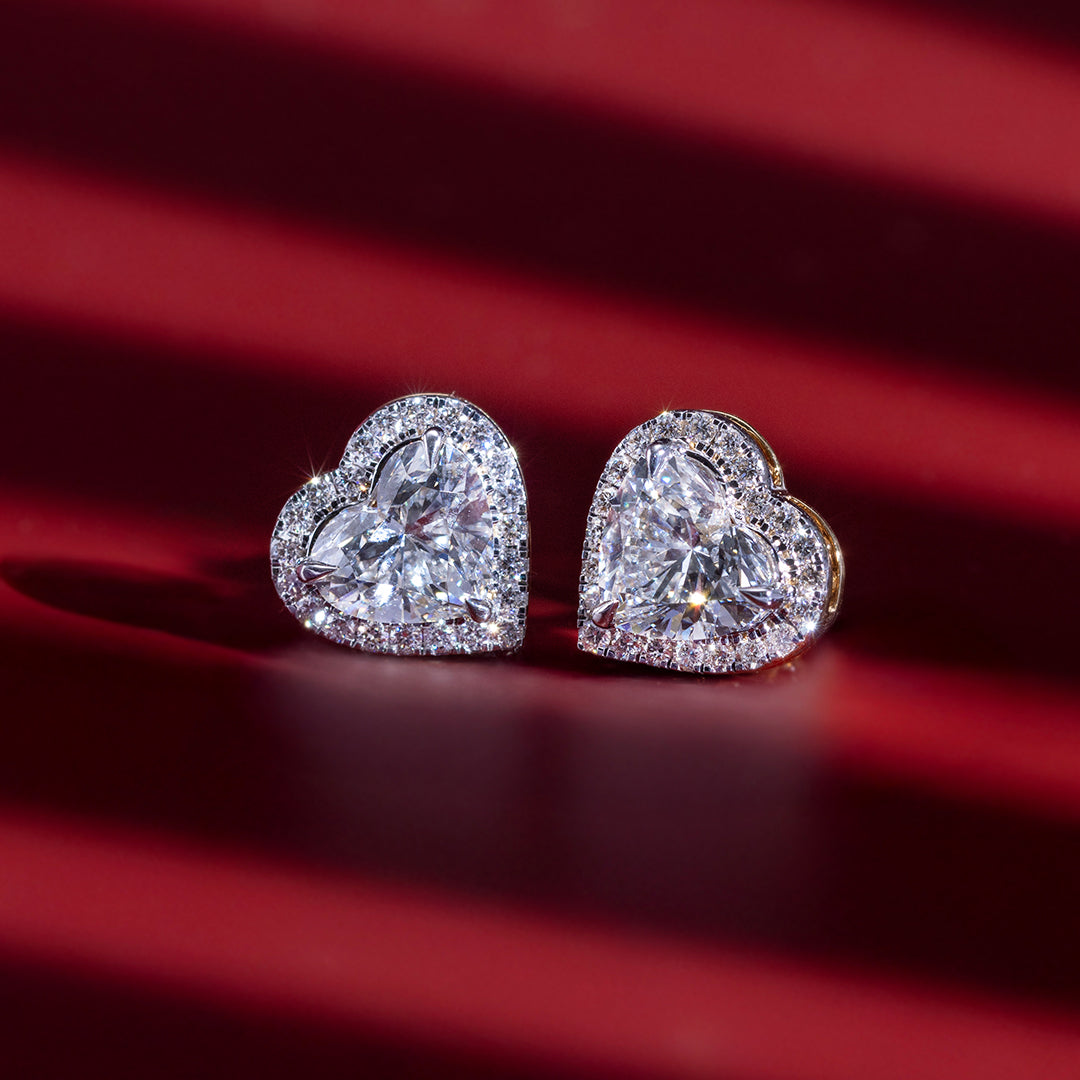
Lab-grown diamonds are becoming increasingly popular among jewellery buyers in India. From engagement rings and diamond earrings to elegant necklaces and bracelets, these diamonds offer the brilliance of real diamonds with more accessible pricing and contemporary designs.
Whether you are purchasing your first diamond ring, planning a wedding, or upgrading your jewellery collection, lab-grown diamonds offer plenty of options to explore. However, before making a purchase, it is important to understand how they are created, what makes them different from natural diamonds, how to evaluate their quality, and what to check before buying.
If you are considering lab-grown diamond jewellery, this complete buyer's guide will help you make an informed decision and find a design that matches your style, preferences, and budget.
What Are Lab-Grown Diamonds?
Lab-grown diamonds are real diamonds created in controlled laboratory environments using advanced technological processes. They have the same essential chemical composition, crystal structure, physical properties, and optical characteristics as natural diamonds.
Unlike mined diamonds, which form naturally beneath the Earth's surface over millions of years, lab-grown diamonds are produced using specialised equipment that replicates the conditions required for diamond formation.
They offer the same brilliance, sparkle, and durability as natural diamonds, making them a popular choice for modern jewellery.
How Are Lab-Grown Diamonds Made?
Lab-grown diamonds are primarily created using two technologies: Chemical Vapour Deposition (CVD) and High Pressure High Temperature (HPHT).
1. Chemical Vapour Deposition (CVD)
CVD is a process in which a small diamond seed is placed inside a specialised chamber. Carbon-rich gases are introduced and broken down under controlled conditions, allowing carbon atoms to deposit onto the seed and gradually form a diamond.
This method allows manufacturers to grow diamonds with carefully controlled characteristics.
2. High Pressure High Temperature (HPHT)
The HPHT process replicates the high-pressure and high-temperature conditions associated with natural diamond formation.
A carbon source is exposed to extreme pressure and heat inside specialised equipment, encouraging carbon atoms to crystallise and form a diamond.
Both methods produce real diamonds. The growth method alone does not determine the overall quality of a finished diamond.
Lab-Grown Diamonds vs Natural Diamonds: What's the Difference?
One of the most common questions among jewellery buyers is whether lab-grown diamonds are different from natural diamonds.
The primary difference is their origin. Natural diamonds form beneath the Earth's surface, while lab-grown diamonds are created in controlled laboratory environments.
Here is a simple comparison:
|
Feature |
Lab-Grown Diamonds |
Natural Diamonds |
|
Origin |
Created in laboratories |
Formed naturally underground |
|
Composition |
Crystalline carbon |
Crystalline carbon |
|
Appearance |
Same essential optical properties |
Same essential optical properties |
|
Hardness |
10 on Mohs scale |
10 on Mohs scale |
|
Pricing |
Generally more affordable |
Generally more expensive |
|
Availability |
Produced using technology |
Mined from natural deposits |
Both are real diamonds, but their origin, market pricing, and long-term value considerations differ.
Understanding the 4Cs of Lab-Grown Diamonds
Before purchasing lab-grown diamond jewellery, understanding the 4Cs is essential. These four characteristics help you evaluate diamond quality and compare different options.
1. Cut
Cut refers to how well a diamond has been shaped and proportioned. It directly influences how effectively the diamond reflects light.
A well-cut diamond displays excellent brilliance, fire, and sparkle. When comparing diamonds, pay close attention to cut quality rather than focusing only on carat weight.
2. Colour
Diamond colour refers to the presence or absence of colour in a white diamond. The standard grading scale generally ranges from D to Z.
- D-F: Colourless
- G-J: Near Colourless
- K-M: Faint Colour
Colourless and near-colourless diamonds are popular choices for elegant diamond jewellery.
3. Clarity
Clarity measures the presence of internal characteristics, known as inclusions, and external characteristics, known as blemishes.
Common clarity grades include:
- FL: Flawless
- IF: Internally Flawless
- VVS1-VVS2: Very Very Slightly Included
- VS1-VS2: Very Slightly Included
- SI1-SI2: Slightly Included
The right clarity grade depends on your budget and how visible the characteristics are to the naked eye.
4. Carat Weight
Carat measures the weight of a diamond, not its physical size. One carat equals 200 milligrams.
Larger diamonds generally cost more, but carat weight should not be the only deciding factor. Consider the diamond's cut, measurements, shape, and overall appearance before making a purchase.
How Much Do Lab-Grown Diamonds Cost in India?
Lab-grown diamond prices in India depend on several factors, including carat weight, cut, colour, clarity, certification, and jewellery craftsmanship.
Generally, lab-grown diamonds are more affordable than comparable natural diamonds. This allows buyers to explore larger diamond sizes or more elaborate jewellery designs within their preferred budget.
However, the final jewellery price also depends on factors such as:
- Diamond quality and total carat weight
- Gold purity, such as 14K or 18K
- Jewellery design and craftsmanship
- Making charges
- Certification and applicable taxes
Always compare the complete jewellery price rather than evaluating a diamond based only on its per-carat cost. Ask the brand for a transparent price breakdown before purchasing.
How to Check Lab-Grown Diamond Certification in India?
Certification is an important consideration when buying lab-grown diamonds. An independent grading report helps you understand the diamond's identity and quality characteristics.
Look for reports from recognised gemological laboratories such as IGI and GIA.
Before purchasing, check the following:
- Whether the report clearly identifies the diamond as laboratory-grown.
- The diamond's carat weight, colour, and clarity grades.
- Cut, polish, and symmetry information, where applicable.
- The report number and its verification through the laboratory's official website.
- Any disclosed growth method or post-growth treatment information.
For gold jewellery, also check the applicable BIS hallmark and gold purity details. Remember that diamond certification and gold hallmarking serve different purposes.
What Should You Consider Before Buying Lab-Grown Diamond Jewellery?
Choosing the right diamond jewellery involves more than selecting an attractive design. Consider these factors to make a confident purchase.
- Set Your Budget: Decide your overall spending limit, including the diamond, gold, and making charges.
- Choose the Right Design: Explore rings, earrings, necklaces, bracelets, and pendants based on your personal style.
- Prioritise Cut Quality: Choose a well-cut diamond for attractive brilliance and light performance.
- Check Certification: Review the grading report and verify its details.
- Understand Return Policies: Check exchange, return, resizing, and warranty terms before placing your order.
- Choose a Trusted Brand: Purchase from a jewellery brand that provides transparent product information and dependable customer support.
Also, remember that lab-grown diamonds should primarily be purchased for their beauty and personal significance rather than as financial investments. Their resale value can be limited and may differ considerably from their original retail price.
Where to Buy Lab-Grown Diamond Jewellery in India?
Finding the right jewellery brand is an important part of your buying journey. Look for a brand that offers beautiful designs, transparent diamond specifications, quality craftsmanship, and a reliable shopping experience.
At Araiya by Aza, you can explore an elegant collection of lab-grown diamond jewellery, including rings, earrings, necklaces, bracelets, pendants, and mangalsutras.
Whether you prefer delicate everyday jewellery, romantic diamond rings, or statement pieces for special occasions, discover designs that combine contemporary aesthetics with timeless diamond brilliance.
Explore Araiya by Aza and find lab-grown diamond jewellery that celebrates your individuality, personal style, and meaningful moments.


