



Diamond Facets Guide: Everything You Need to Know Before Buying
When you look at a diamond, its brilliance is the first thing you notice. That sparkle is not accidental. It is created through carefully planned cuts and facets that determine how light enters the diamond, moves through it, and returns to the eye. Understanding diamond facets can help you appreciate the craftsmanship behind a piece of jewellery and make a more informed choice when buying a ring, necklace, bracelet, or pair of earrings.
At Araiya by Aza, exceptional craftsmanship is at the heart of every creation. Our jewellery brings together contemporary design, thoughtful detailing, and IGI-certified lab-grown diamonds, creating pieces where precision and brilliance meet timeless elegance.
What Are Diamond Facets?

A diamond facet is a precisely polished, flat surface on a cut diamond. Each facet has a specific position and angle designed to interact with light.
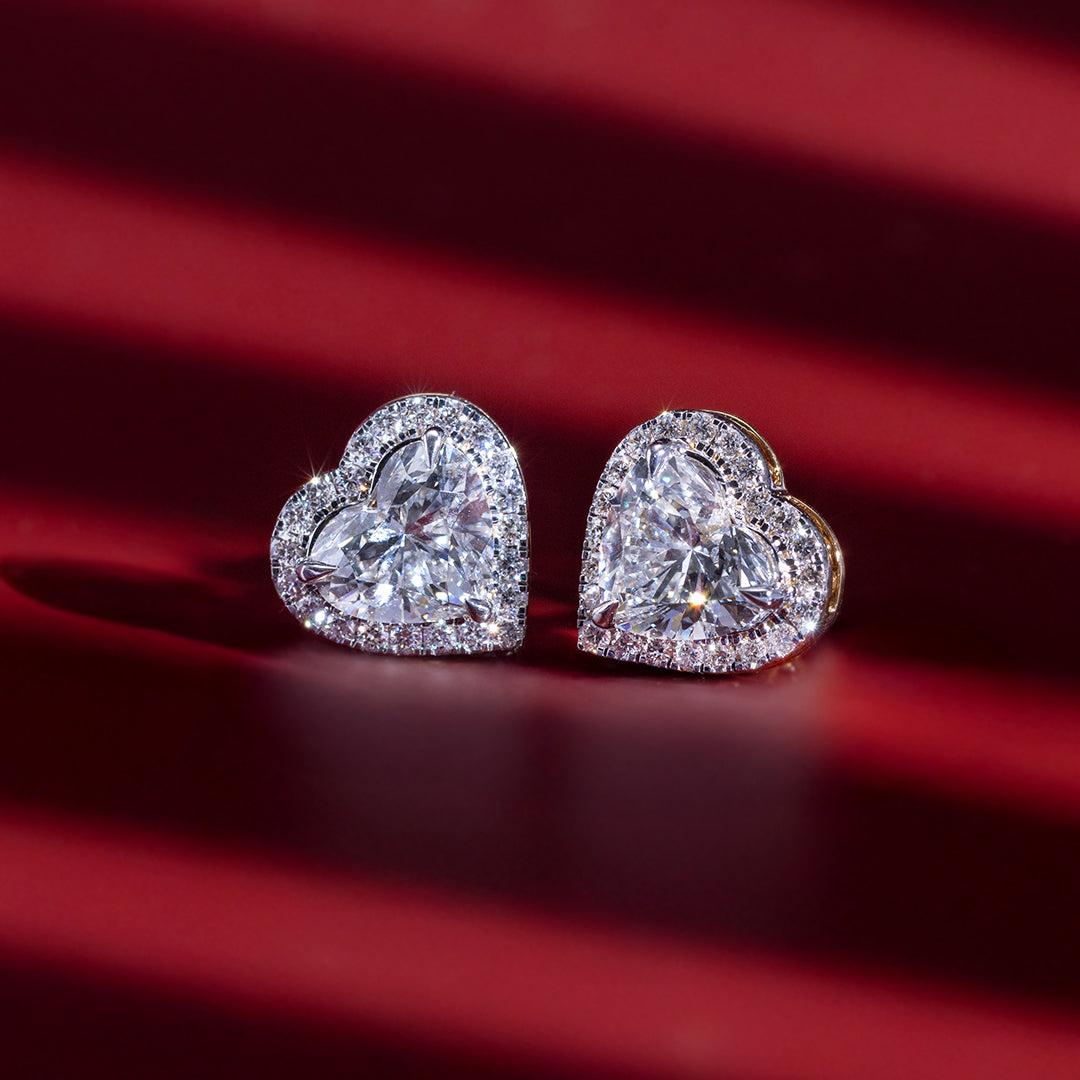
Think of facets as the architecture of a diamond. Their arrangement influences how bright, fiery, and visually lively a diamond appears. The number, size, shape, and positioning of facets vary depending on the diamond's cut.
Facets are different from the diamond's overall shape. Shape refers to its outline, such as round, oval, emerald, marquise, pear, or princess. Cut refers more broadly to how effectively the diamond has been proportioned, angled, polished, and faceted to interact with light.
Why Do Diamond Facets Matter?

Facets are central to a diamond's visual character. When light enters a well-proportioned diamond, it can reflect internally before returning through the top of the stone. This interaction creates the sparkle that makes diamonds so captivating.
Three visual qualities are often associated with this interaction: brightness, fire, and scintillation.
Brightness refers to the white light reflected from the diamond. Fire is the dispersion of light into flashes of colour. Scintillation is the pattern of flashes that appears as the diamond, jewellery, or viewer moves.
The way facets are arranged plays an important role in creating each of these effects.
How Many Facets Does a Diamond Have?

The number of facets depends on the diamond's cut and design.
A traditional round brilliant diamond commonly has 58 facets, including the culet. Its faceting pattern has been carefully developed to balance light return, brilliance, and fire.
Other shapes can have different facet arrangements. Emerald-cut diamonds use broad, step-like facets that create a hall-of-mirrors effect, while marquise and pear shapes have elongated forms that create their own distinctive visual rhythm.
This is why two diamonds with the same carat weight can look very different. Their facet structure, proportions, and cut quality can change the way light behaves within the stone.
Brilliant Cut vs Step Cut Facets

Two broad faceting approaches are especially important when understanding diamond jewellery: brilliant cuts and step cuts.
Brilliant-cut diamonds use triangular and kite-shaped facets arranged to maximize sparkle and light return. Round brilliant diamonds are the classic example, but other shapes can also feature brilliant-style faceting.
Step-cut diamonds use long, rectangular facets arranged in parallel rows. The emerald cut is the best-known example. Instead of intense sparkle, step cuts create elegant reflections and emphasize clarity, symmetry, and clean geometry.
Choosing between them is ultimately a matter of personal taste. Brilliant cuts suit those who love vivid sparkle, while step cuts appeal to those drawn to understated sophistication.
Diamond Facets and Different Jewellery Shapes

Facet design becomes especially interesting when you compare different diamond shapes.
A round diamond is known for its classic brilliance and balanced faceting. An oval diamond combines brilliant-style sparkle with a graceful elongated silhouette. A marquise diamond creates a dramatic, slender appearance, while a pear-shaped diamond combines a rounded end with a pointed tip.
An emerald cut takes a different approach, using step facets that emphasize clarity and sophisticated reflections.
These differences are not simply technical. They directly influence the personality of a finished jewellery design.
How Facets Affect the Look of a Jewellery Piece

Faceting can change how a diamond interacts with the overall jewellery design. A highly brilliant centre stone can become the focal point of a solitaire ring, while smaller faceted diamonds can create continuous sparkle across a band or necklace.
For example, the Pink Marquise Half Eternity Band uses marquise-shaped stones to create a graceful and distinctive rhythm across the band. The elongated form of the marquise shape gives the ring a refined visual flow.
Similarly, a design such as the Curved Crossover Diamond Ring shows how carefully positioned diamonds can work with the structure of the jewellery itself. The curved silhouette allows the stones to follow the movement of the design rather than appearing isolated.
Facets in Diamond Necklaces and Pendants

Faceting is just as important in necklaces and pendants as it is in rings. A necklace may use a larger centre diamond as a focal point or several smaller stones to create a more continuous sparkle.
A geometric design can also make the facet pattern feel more architectural. The Modern Hex Diamond Necklace demonstrates how structured geometry and diamond brilliance can come together in a contemporary jewellery silhouette.
When choosing a diamond necklace, consider how the diamond shape, facet pattern, metal, and overall design work together. The best jewellery feels harmonious rather than overly complicated.
Do More Facets Mean a Better Diamond?

Not necessarily. More facets do not automatically mean more beauty or better quality.
What matters is how the facets are proportioned, aligned, polished, and angled. A beautifully cut diamond with a thoughtful facet arrangement can interact with light exceptionally well, while a diamond with more facets may not necessarily have better brilliance.
This is why evaluating a diamond should involve more than simply counting its facets. Cut quality, symmetry, polish, proportions, colour, clarity, and certification all contribute to the overall piece.
How to Choose a Diamond Based on Facets
Your personal style should guide your choice.
For maximum sparkle, brilliant-cut diamonds are a natural choice. For a refined and architectural look, step-cut diamonds such as emerald cuts can be especially appealing. Elongated shapes such as oval and marquise can create graceful silhouettes, while pear shapes offer a distinctive balance of softness and structure.
You should also consider how the diamond will be worn. Everyday rings may benefit from secure, practical settings, while statement jewellery can showcase more elaborate shapes and faceting.
Most importantly, choose a design that feels naturally aligned with your style rather than selecting a diamond only because a particular cut is popular.
Why Diamond Craftsmanship Matters
A diamond's beauty begins with its faceting, but the final jewellery piece depends equally on craftsmanship. Precise setting, polishing, metalwork, proportion, and finishing all contribute to how the diamond appears when worn.
At Araiya by Aza, every IGI-certified lab-grown diamond is carefully selected and incorporated into designs that balance modern aesthetics with timeless craftsmanship. The focus is not simply on the stone itself, but on the harmony between the diamond, setting, metal, and overall silhouette.
Shop Diamond Jewellery Designed Around Brilliance
Understanding diamond facets gives you a deeper appreciation of what makes fine jewellery distinctive. From the intense sparkle of brilliant cuts to the quiet sophistication of step cuts, faceting shapes the way a diamond interacts with light and, ultimately, how a jewellery piece feels when worn.
At Araiya by Aza, contemporary design meets meticulous craftsmanship through jewellery created with IGI-certified lab-grown diamonds. Explore designs such as the Modern Hex Diamond Necklace, Pink Marquise Half Eternity Band, and Curved Crossover Diamond Ring to see how shape, faceting, and craftsmanship can create distinct expressions of modern luxury.
Frequently Asked Questions
1. What are facets in a diamond?
Facets are the precisely polished flat surfaces on a diamond. Their size, arrangement, and angles influence how light moves through the stone and contribute to its brilliance, fire, and scintillation.
2. Do all diamond shapes have the same number of facets?
No. Different diamond shapes and cuts use different facet arrangements. Round brilliant, emerald, oval, marquise, pear, and other shapes each interact with light differently because of their unique structures.
3. Are more diamond facets better?
Not necessarily. The quality of the facet arrangement, proportions, symmetry, and polish is more important than the number of facets alone. A well-cut diamond can display exceptional brilliance through carefully calculated faceting.
4. Which diamond cut has the most sparkle?
Brilliant-cut diamonds, particularly round brilliant diamonds, are known for strong light return and exceptional sparkle. However, other shapes with brilliant-style faceting can also offer remarkable brilliance.
5. Why are diamond facets important when buying jewellery?
Facets influence how a diamond reflects light and therefore affect its visual brilliance and character. Understanding them can help you compare diamond shapes, appreciate craftsmanship, and choose jewellery that matches your preferred style.


