



Why Is the Demand for Lab-Grown Diamonds Growing in India?
India's relationship with diamonds has traditionally been shaped by weddings, family traditions, milestone celebrations, and the timeless appeal of fine jewellery. However, consumer preferences are evolving as more people explore contemporary designs, compare prices, and look for jewellery that reflects their individual style. Among the most noticeable developments is the growing interest in lab-grown diamonds, which are becoming an increasingly visible part of India's modern jewellery market.
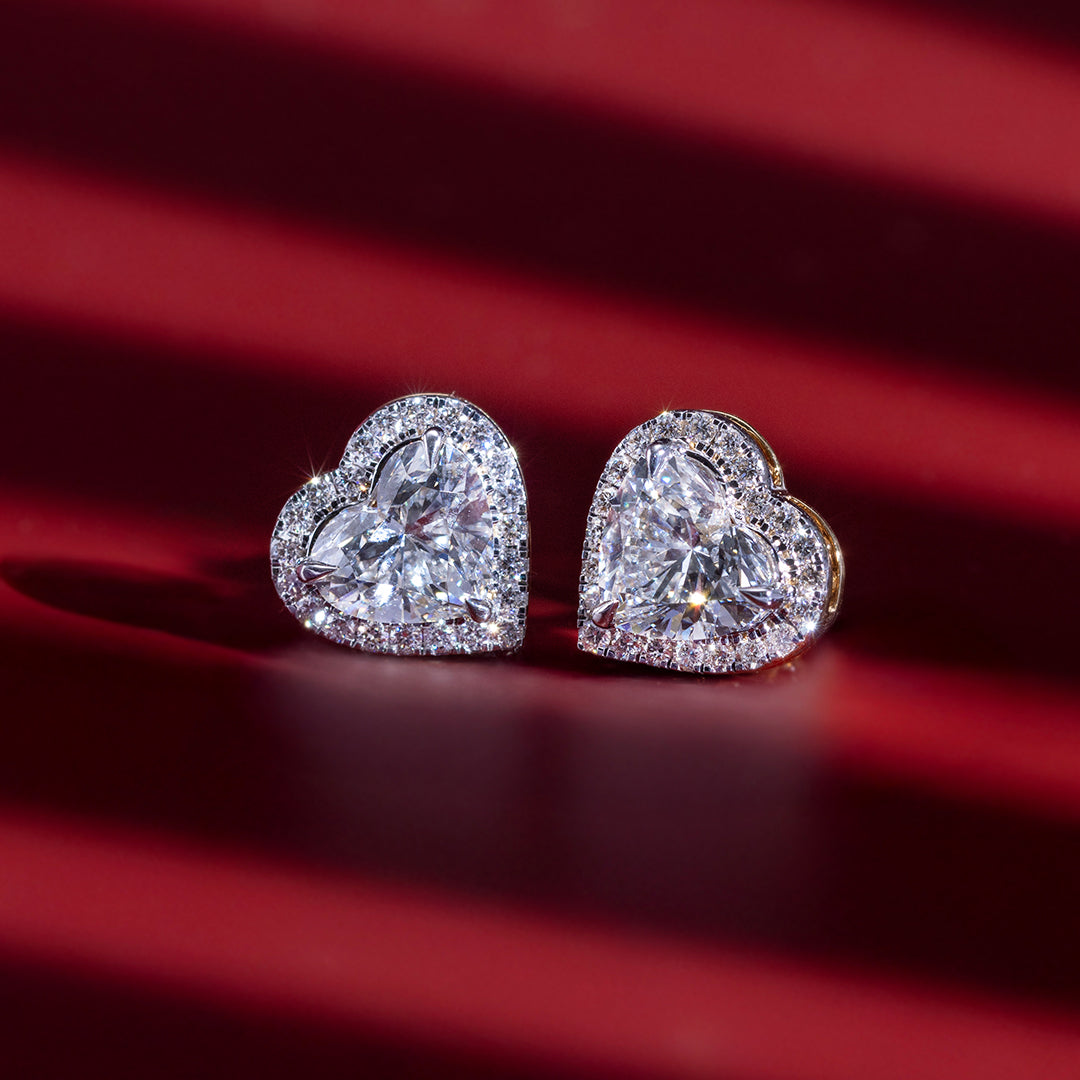
Lab-grown diamonds are real diamonds created using advanced technological processes rather than forming naturally within the Earth. They share essentially the same chemical composition, crystal structure, and optical properties as natural diamonds, although their origins differ. Their comparatively accessible pricing, expanding design choices, and growing awareness are attracting first-time buyers, young professionals, and experienced jewellery collectors alike. Industry reporting has also highlighted the increasing adoption of lab-grown diamond jewellery in India, including its expansion beyond major metropolitan markets.
Why Is the Demand for Lab-Grown Diamonds Growing in India?
1. Affordability Is Making Diamond Jewellery More Accessible
One of the strongest reasons behind the growing demand for lab-grown diamonds in India is affordability. Traditionally, purchasing diamond jewellery could require a substantial budget, particularly for larger stones or elaborate designs. Lab-grown diamonds generally cost less than natural diamonds with comparable characteristics, allowing buyers to explore different options within their preferred spending range.
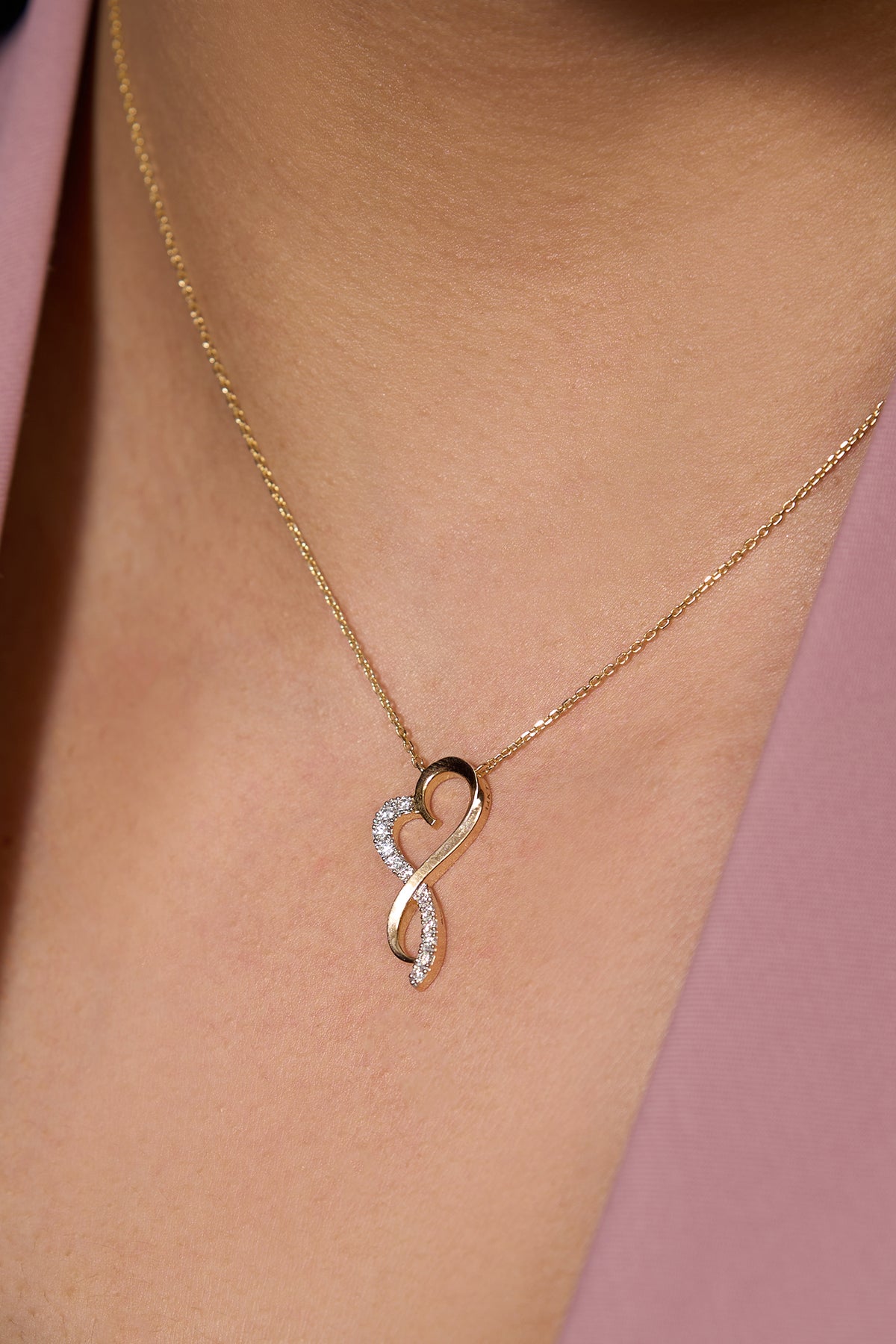
This price difference can make diamond ownership more accessible to people purchasing their first solitaire ring, a pair of diamond earrings, or a special gift. Buyers may also have more flexibility when choosing the size, shape, and overall design of a piece.
Affordability does not mean that every lab-grown diamond offers the same value or appearance. Prices vary according to carat weight, cut, colour, clarity, design, and the retailer. Consumers should compare the complete product specifications rather than relying on a low price alone.
2. Younger Consumers Are Redefining Luxury
Millennials and Gen Z consumers are influencing how fine jewellery is discovered, purchased, and worn. For many younger buyers, luxury is not defined exclusively by traditional status symbols or jewellery reserved for major family occasions. Personal expression, design, versatility, and the experience associated with a purchase can also play important roles.
Lab-grown diamonds fit into this changing approach because they offer access to diamond jewellery in a wide range of contemporary styles. A young professional might choose a delicate solitaire ring to mark a career milestone, while another buyer may prefer diamond earrings for regular wear or a modern bracelet for a special occasion.
The growing acceptance of self-purchase is another important factor. Rather than waiting for an engagement, wedding, or anniversary, consumers can choose diamond jewellery to celebrate achievements, birthdays, independence, or personal milestones.
3. Similar Diamond Properties Are Building Consumer Confidence
Another reason lab-grown diamonds are gaining attention is that they are real diamonds rather than diamond simulants. They have essentially the same chemical, physical, and optical properties as natural diamonds. Their key distinction is how they are formed.
Natural diamonds develop through geological processes over long periods, while lab-grown diamonds are produced using methods such as Chemical Vapour Deposition (CVD) or High Pressure High Temperature (HPHT).
Because the two types share many of the same characteristics, lab-grown diamonds can offer the brilliance and visual appeal associated with diamond jewellery. However, individual stones still differ in their quality, proportions, inclusions, and overall appearance. Buyers should therefore review the specifications of the particular diamond rather than assuming that every stone will look identical.
Greater awareness of these distinctions is helping consumers make more informed decisions and consider lab-grown diamonds alongside natural diamonds when shopping for fine jewellery.
4. Contemporary Designs Appeal to Modern Indian Buyers
The growing popularity of lab-grown diamonds is also connected to the expanding variety of jewellery designs available to consumers. While traditional Indian jewellery continues to hold cultural significance, many shoppers are also looking for pieces that complement modern wardrobes and different occasions.
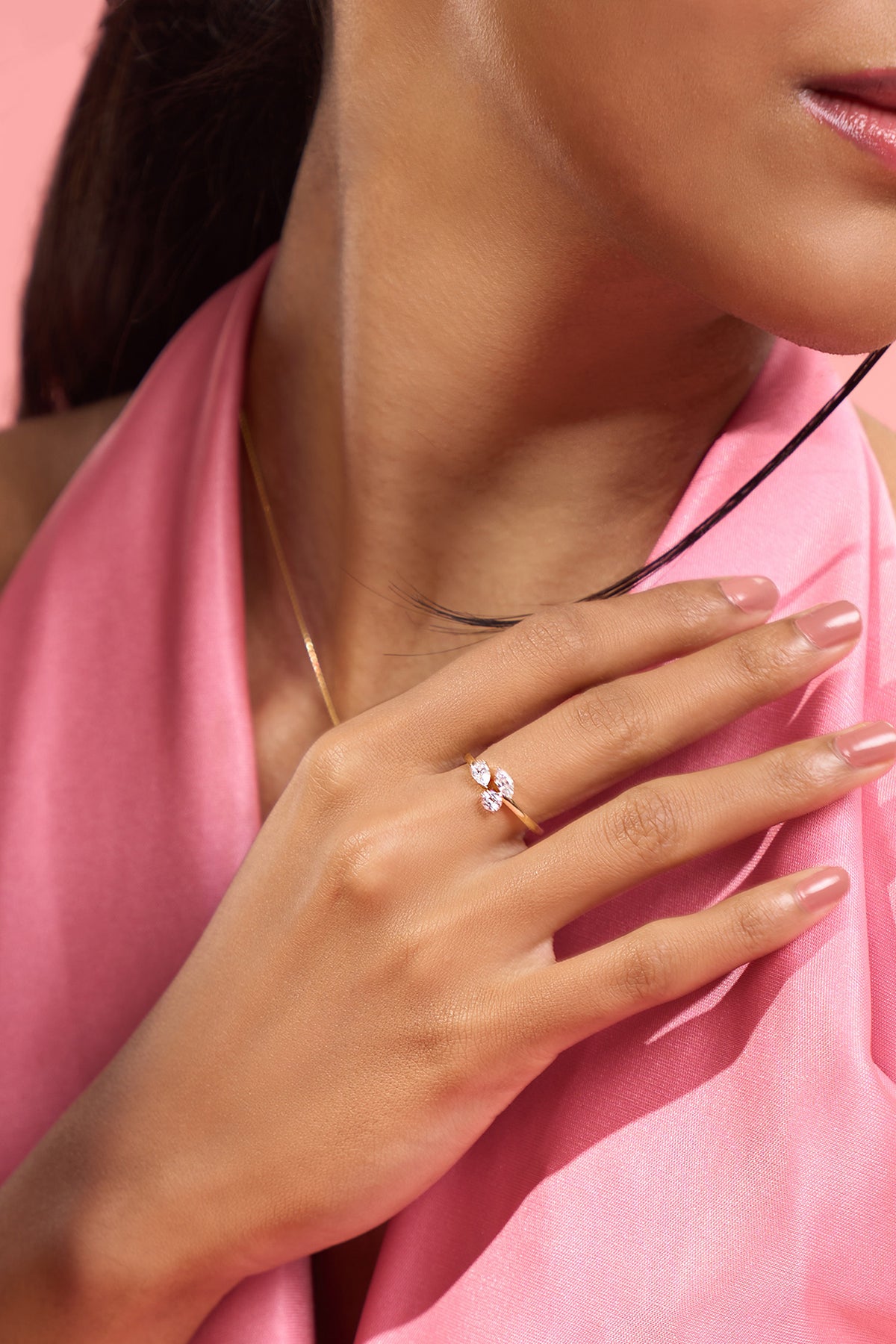
Minimal solitaire rings, geometric diamond earrings, delicate pendants, sleek bracelets, and contemporary mangalsutras offer alternatives to more elaborate traditional designs. These styles can be worn individually for an understated look or layered and combined for a more expressive appearance.
For example, a classic solitaire ring can complement everyday outfits, while a diamond pendant or a refined pair of earrings can transition from workwear to evening occasions. Contemporary mangalsutras also appeal to buyers who want to retain the cultural meaning of the jewellery while exploring a more modern aesthetic.
As more jewellery brands introduce varied designs and online collections, consumers have greater opportunities to find pieces that align with their individual preferences.
5. Online Shopping Is Expanding Access to Lab-Grown Diamonds
E-commerce has changed how Indian consumers discover fine jewellery. Instead of visiting several physical stores to compare designs, shoppers can browse collections, review product specifications, compare diamond characteristics, and explore different styles from home.
Online shopping also makes it easier to discover specialist jewellery brands that focus on lab-grown diamonds. Product photographs, detailed descriptions, grading documentation, and customer support can help buyers understand their options before making a purchase.
However, purchasing diamond jewellery online requires careful research. Consumers should check the seller's credibility, verify available grading reports, understand the gold purity and applicable BIS hallmarking details, and read the return, exchange, and warranty policies.
A transparent online shopping experience can make the buying process more convenient while helping consumers feel confident about the quality and specifications of their chosen jewellery.
6. Personal Values Are Influencing Purchasing Decisions
Modern jewellery buyers increasingly want to understand not only what they are purchasing but also how a product aligns with their preferences and priorities. For some consumers, the technological origins of lab-grown diamonds are an appealing part of their story. Others are primarily interested in their price, appearance, or the freedom to choose a particular design.
Lab-grown diamonds can appeal to shoppers who prefer a diamond created through a technological process rather than mined from the Earth. However, environmental and social impacts depend on factors such as production methods, energy sources, manufacturing practices, and supply chains. It is important not to assume that every lab-grown diamond automatically has the same environmental benefits.
For consumers who value transparency, reliable product information and clear explanations of a diamond's origin can be as important as the finished design itself.
7. Diamond Jewellery Is Becoming a Choice for More Occasions
In India, diamond jewellery has long been associated with engagements, weddings, anniversaries, and other significant celebrations. Lab-grown diamonds are helping broaden the occasions for which some consumers consider buying diamond jewellery.
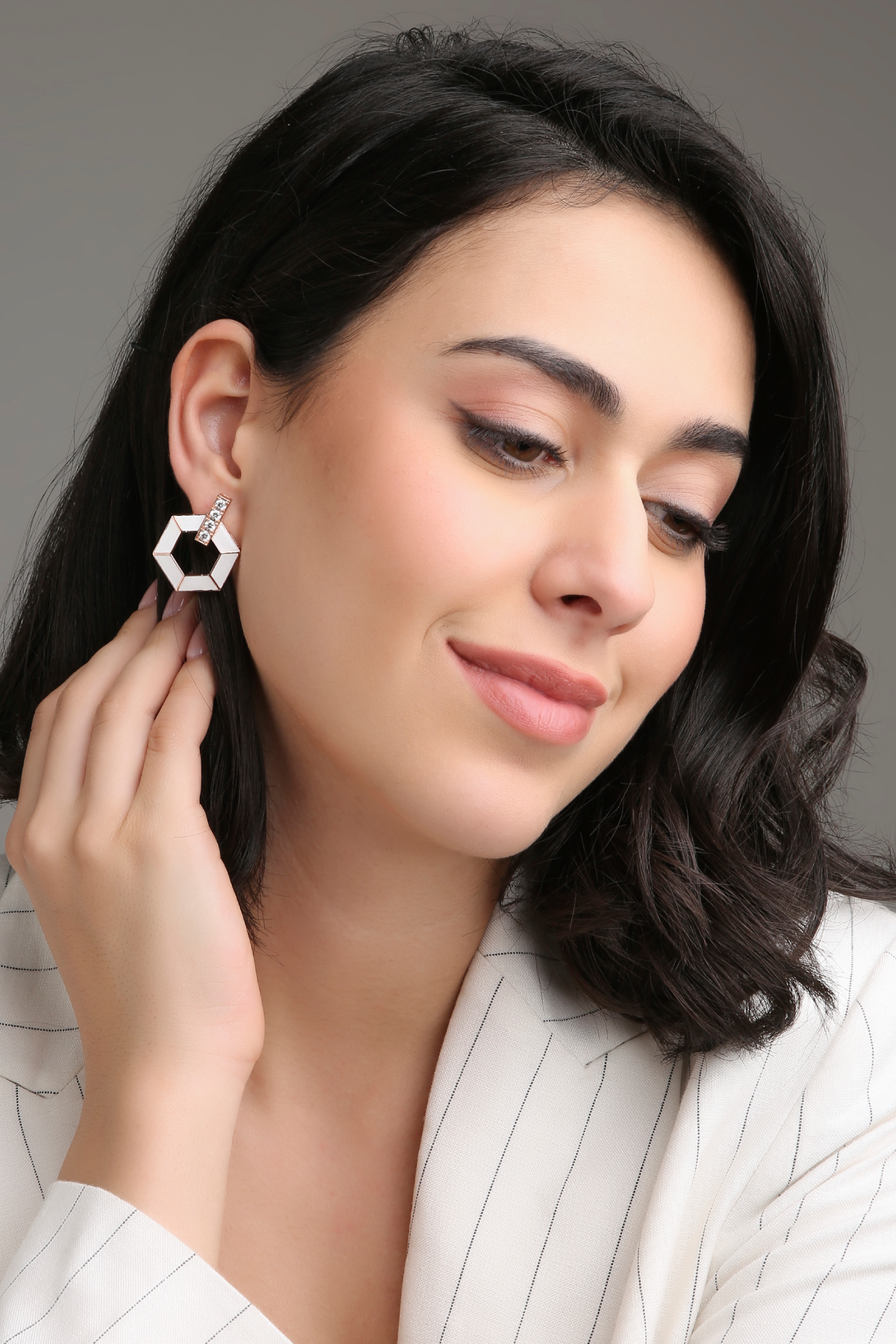
A diamond ring may mark a personal achievement, while earrings or pendants can make thoughtful birthday gifts. Bracelets can commemorate friendships or milestones, and contemporary mangalsutras combine personal style with cultural significance.
This broader range of occasions allows consumers to think about diamond jewellery as part of their personal collections rather than something purchased only once or twice in a lifetime.
The trend does not mean traditional jewellery is losing its importance. Instead, it reflects a wider range of choices, where consumers can select different designs and types of diamonds according to their budget, values, and intended use.
8. Certification and Transparency Are Supporting Informed Purchases
As awareness of lab-grown diamonds increases, buyers are paying closer attention to the information behind the products they purchase. Independent grading reports can help consumers understand a diamond's characteristics and distinguish between products with different specifications.
Reports from recognised gemological laboratories, such as the International Gemological Institute (IGI), may document details including carat weight, colour, clarity, measurements, and information about the diamond's origin. The information provided depends on the report type and whether it covers a loose diamond or a finished jewellery piece.
Consumers should verify available report numbers through the issuing laboratory and confirm that the documentation corresponds to the product being purchased. For gold jewellery in India, they should also review the stated metal purity and applicable BIS hallmarking details.
It is equally important to understand that certification does not guarantee future resale value. Lab-grown diamond prices can change with market conditions, and buyers should choose jewellery primarily for its design, personal significance, and suitability rather than assuming it will appreciate as an investment.
9. Lab-Grown Diamonds Are Expanding the Meaning of Modern Luxury
Luxury jewellery is increasingly being approached through a combination of craftsmanship, design, personal meaning, and informed choice. For some buyers, natural diamonds continue to carry deep emotional, historical, or heritage value. Others are drawn to lab-grown diamonds because of their comparatively accessible prices and the range of designs available.
Neither preference needs to replace the other. The growing interest in lab-grown diamonds reflects a market where consumers can evaluate different options and select what best suits their priorities.
At Araiya by Aza, contemporary fine jewellery brings together modern design sensibilities, IGI-certified lab-grown diamonds, and BIS Hallmarked Gold. From elegant solitaire rings to earrings and mangalsutras, the collections offer options for buyers exploring diamond jewellery for everyday styling and meaningful occasions.
Discover the Araiya by Aza ring collection, explore contemporary designs in the earring collection, or browse the mangalsutra collection to find jewellery that reflects your personal style.
Conclusion
The growing demand for lab-grown diamonds in India is being shaped by several interconnected factors: comparatively accessible pricing, changing consumer preferences, greater awareness of diamond characteristics, contemporary designs, and the convenience of online shopping. These developments are creating more opportunities for first-time buyers and established jewellery enthusiasts to explore diamond jewellery on their own terms.
At the same time, an informed purchase remains essential. Buyers should review diamond specifications, verify available grading documentation, check gold purity and hallmarking details, and understand the retailer's policies before ordering. Resale expectations and environmental claims also deserve careful consideration.
Ultimately, the appeal of lab-grown diamonds lies in the additional choice they offer. As Indian consumers continue to explore different forms of fine jewellery, lab-grown diamonds are becoming an increasingly relevant option for expressing personal style, celebrating milestones, and choosing contemporary luxury.
Frequently Asked Questions
1. Why are lab-grown diamonds becoming popular in India?
Lab-grown diamonds are attracting Indian consumers because they generally cost less than comparable natural diamonds and are available in a wide variety of contemporary designs. Greater awareness, online shopping, and changing preferences among younger buyers are also contributing to their growing appeal.
2. Are lab-grown diamonds real diamonds?
Yes. Lab-grown diamonds are real diamonds with essentially the same chemical composition, crystal structure, and optical properties as natural diamonds. The main difference is their origin: lab-grown diamonds are created using technological processes, while natural diamonds form through geological processes.
3. Are lab-grown diamonds cheaper than natural diamonds?
Generally, yes. Lab-grown diamonds are usually less expensive than natural diamonds with comparable characteristics. The exact price difference depends on factors such as carat weight, cut, colour, clarity, market conditions, and the jewellery design.
4. Are lab-grown diamonds suitable for everyday jewellery?
Yes. Lab-grown diamonds have the same fundamental hardness as natural diamonds, making them suitable for many types of everyday jewellery. As with all fine jewellery, appropriate care is important, and the durability of the finished piece also depends on its setting and construction.
5. Do lab-grown diamonds have resale value?
Lab-grown diamonds may have resale value, but the amount a seller can recover varies and is not guaranteed. Prices can change with market conditions, so consumers should not assume that lab-grown diamond jewellery will appreciate over time. It is best to purchase a piece for its design, personal significance, and intended use.


