


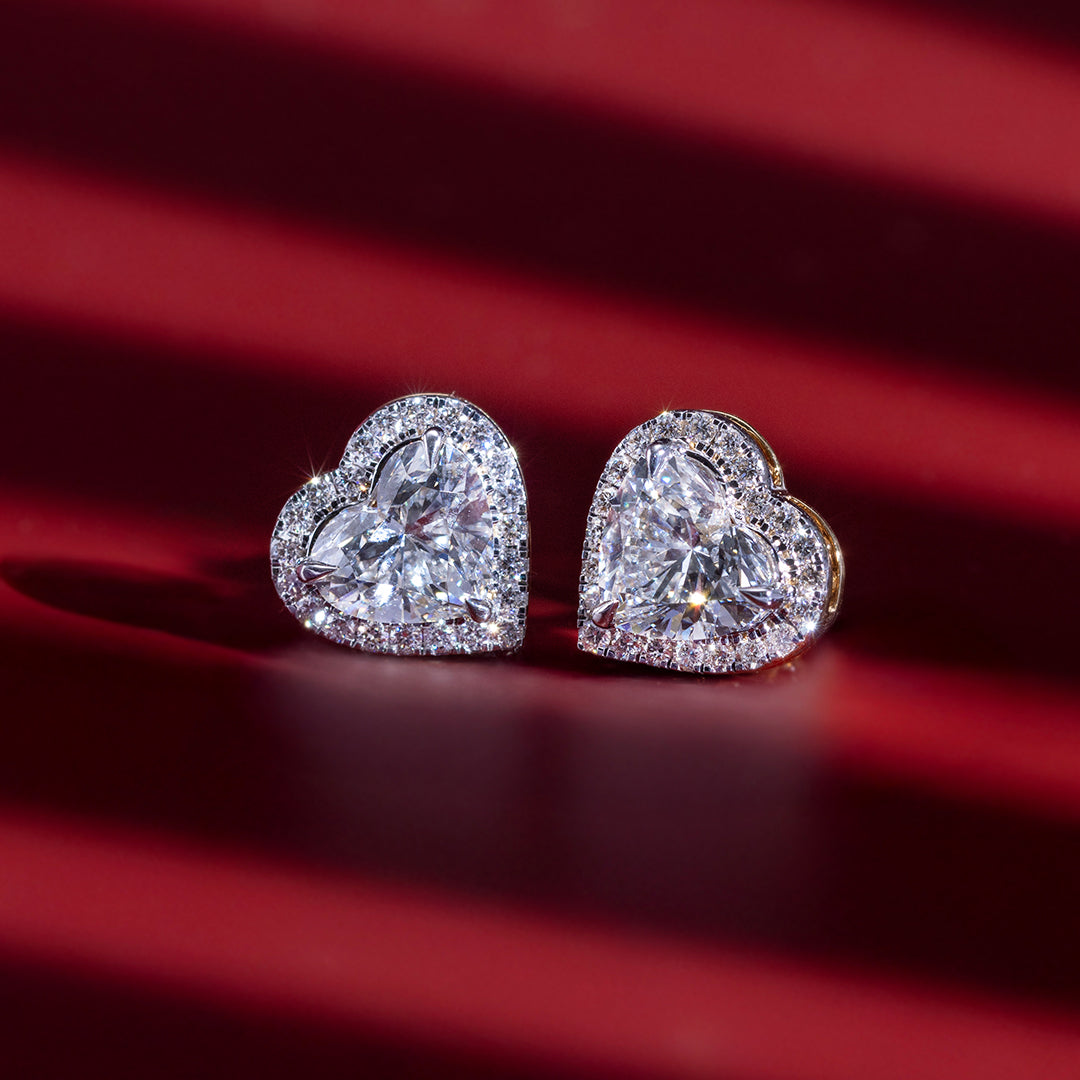

Lab-Grown Diamonds: Advantages, Disadvantages & Buying Guide
Lab-grown diamonds have become an increasingly considered choice for modern fine jewellery, especially among buyers looking for a contemporary alternative to traditionally mined diamonds. From engagement rings and everyday bands to sophisticated statement jewellery, lab-grown diamonds are now available across a wide range of designs and price points. But before choosing one, it is important to understand what lab-grown diamonds are, their advantages and disadvantages, and the key factors to consider when making a purchase.
At Araiya by Aza, lab-grown diamonds form an important part of a modern approach to fine jewellery. The brand combines IGI-certified lab-grown diamonds with thoughtfully designed jewellery and BIS Hallmarked Gold, bringing together contemporary craftsmanship, refined aesthetics, and conscious luxury.
What Are Lab-Grown Diamonds?

Lab-grown diamonds are diamonds created through controlled technological processes rather than formed naturally underground. They are produced to replicate the conditions required for diamond formation and are used in fine jewellery across a wide range of cuts, settings, and designs.
For jewellery buyers, the distinction is primarily in origin rather than the visual language of the finished piece. Lab-grown diamonds can be incorporated into classic solitaires, romantic engagement rings, eternity bands, bracelets, earrings, and statement jewellery.
For those exploring the category for the first time, certification is an important consideration. Araiya by Aza offers jewellery featuring IGI-certified lab-grown diamonds, providing a documented foundation for making an informed purchase.
Advantage 1: Contemporary Approach to Fine Jewellery

One of the key advantages of lab-grown diamonds is their place within modern jewellery. They align naturally with contemporary design philosophies where buyers are increasingly interested in combining aesthetics, craftsmanship, transparency, and conscious luxury.
At Araiya by Aza, this approach can be seen across designs such as the Minimal Emerald Solitaire Ring, which brings together a refined solitaire silhouette with a clean and sophisticated aesthetic.
For buyers who prefer understated jewellery, lab-grown diamonds provide an opportunity to explore timeless designs through a distinctly modern lens.
Advantage 2: A Wide Variety of Diamond Designs

Lab-grown diamonds are not restricted to one jewellery style. They can be incorporated into different cuts, shapes, and settings, giving buyers significant freedom when selecting a piece.
The Pear Meets Emerald Ring, for example, combines two distinctive diamond-inspired shapes to create a more contemporary silhouette. This type of design demonstrates how modern jewellery can move beyond traditional solitaire formats and explore different visual proportions.
Whether your preference is pear, emerald, princess, marquise, oval, or a classic round-inspired design, the broader jewellery aesthetic remains an important part of the buying decision.
Advantage 3: Certification Adds Confidence

Certification is an important consideration when purchasing any significant diamond jewellery. An IGI certification provides documented information associated with a graded diamond, helping buyers understand the characteristics represented by the stone.
For someone purchasing a lab-grown diamond engagement ring or another important piece, certification can make the buying process more transparent and considered.
The Princess Solitaire Double Band Ring is an example of a contemporary ring design that can appeal to buyers who want a distinctive engagement silhouette while prioritising certified lab-grown diamond jewellery.
Advantage 4: Suitable for Different Jewellery Occasions

Another advantage of lab-grown diamonds is their versatility within modern jewellery collections. They can be used in pieces designed for engagements, anniversaries, celebrations, everyday wear, gifting, or personal milestones.
For a romantic expression, the Twin Heart Diamond Ring offers a heart-inspired silhouette. For something more structured and contemporary, the Zigzag Half-Eternity Band provides a distinctive alternative.
This versatility means your decision does not have to begin with the question of whether a diamond is lab-grown or natural alone. Consider the occasion, design, personal style, and long-term wearability together.
Advantage 5: Modern Luxury with Thoughtful Craftsmanship

Lab-grown diamonds also fit naturally within a broader movement towards modern luxury, where the value of jewellery is increasingly connected to design, craftsmanship, individuality, and considered purchasing.
At Araiya by Aza, the emphasis extends beyond the diamond itself. Jewellery is designed to combine IGI-certified lab-grown diamonds with BIS Hallmarked Gold and refined contemporary silhouettes, creating pieces that feel elevated without being overly conventional.
The Sleek Curve Solitaire Band is a good example of this approach, offering a clean design language for someone who prefers understated elegance.
Disadvantage 1: They May Not Hold the Same Emotional Meaning for Every Buyer
While lab-grown diamonds offer several contemporary advantages, the choice is ultimately personal. Some buyers place significant emotional or symbolic value on naturally formed diamonds because of their geological origin and long-standing role in traditional diamond jewellery.
For these buyers, a lab-grown diamond may not carry the same personal significance. This does not make one option universally better than the other; it simply means that diamond origin can be an important part of the emotional decision behind an engagement ring or milestone purchase.
Understanding what matters most to you before shopping can make the decision much easier.
Disadvantage 2: Resale Expectations Should Be Considered Carefully

Buyers should also distinguish between purchasing jewellery for personal enjoyment and viewing it primarily as a financial asset.
Diamond jewellery should ideally be purchased because you love the design, craftsmanship, and meaning of the piece. Resale value can vary depending on the diamond, jewellery design, market conditions, and buyer demand, so it should not be the sole reason for choosing one diamond category over another.
A ring such as the Delicate Braided Diamond Ring may appeal because of its design and versatility, but its long-term personal value can be more meaningful than attempting to predict future resale outcomes.
Lab-Grown vs Natural Diamonds: Which Should You Choose?
There is no single answer that works for every jewellery buyer. Natural diamonds and lab-grown diamonds differ in origin, and that distinction may matter differently to different people.
A buyer prioritising contemporary jewellery, certified lab-grown diamonds, and a modern interpretation of luxury may find lab-grown diamonds particularly appealing. Another buyer may prefer natural diamonds because of their traditional association and geological origin.
The right choice should therefore be based on your priorities rather than assumptions about what you are expected to buy.
What to Check Before Buying a Lab-Grown Diamond
Before making a purchase, consider the diamond's certification and the overall craftsmanship of the jewellery. Certification can provide important information about the graded stone, while the setting, metal, proportions, and design determine how the finished piece looks and wears.
You should also consider the occasion. An engagement ring may require a different silhouette from an everyday band, while a milestone gift may call for a more distinctive statement design.
Personal style matters just as much. Someone who prefers minimalist jewellery may appreciate a solitaire, while someone looking for a more expressive aesthetic may prefer a multi-shape or statement silhouette.
Consider the Diamond Shape and Jewellery Design

The diamond shape can dramatically influence the personality of a ring. Emerald-inspired designs create a structured and sophisticated aesthetic, while pear and marquise shapes offer more elongated and graceful proportions. Princess-inspired designs feel more geometric, and heart-inspired silhouettes bring an immediate sense of romance.
The Split Shank Marquise Ring is a strong choice for someone drawn towards an elongated, distinctive silhouette, while the Pink Marquise Half Eternity Band provides a more expressive interpretation through its colour and half-eternity styling.
The right diamond is therefore not just about the stone itself. It is about how the cut, setting, metal, and overall design work together.
How to Choose the Right Lab-Grown Diamond Jewellery
Start by defining what you want the jewellery to represent. An engagement ring may call for a timeless solitaire or a romantic design, while an everyday piece may benefit from a more streamlined silhouette.
Next, consider how often you expect to wear it. Versatile designs are particularly valuable when you want one piece to work across multiple occasions.
Finally, focus on certification, craftsmanship, design quality, and the reputation of the jewellery brand. A beautiful diamond deserves a setting that reflects the same level of thought and attention to detail.
Why Choose Araiya by Aza for Lab-Grown Diamond Jewellery?
Araiya by Aza approaches lab-grown diamond jewellery through a refined combination of contemporary design and timeless elegance. The brand's jewellery features IGI-certified lab-grown diamonds set in BIS Hallmarked Gold, bringing together modern diamond innovation and considered craftsmanship.
The collection spans romantic rings, sophisticated solitaires, distinctive bands, and contemporary designs, allowing buyers to choose jewellery according to their own aesthetic rather than a single definition of luxury.
For those drawn to conscious luxury and modern sophistication, lab-grown diamond jewellery offers an elegant way to express personal style through pieces designed to remain relevant beyond changing trends.
A Considered Approach to Buying Lab-Grown Diamonds
Lab-grown diamonds offer a compelling option for today's jewellery buyer, but choosing one should still be a thoughtful process. Consider the origin of the diamond, certification, design, craftsmanship, personal style, occasion, and long-term wearability before making your decision.
Whether you are drawn to the clean elegance of the Minimal Emerald Solitaire Ring, the romantic character of the Twin Heart Diamond Ring, or the individuality of the Pear Meets Emerald Ring, the most important factor is choosing a piece that feels right for you.
At Araiya by Aza, IGI-certified lab-grown diamonds, BIS Hallmarked Gold, and thoughtful design come together to offer a contemporary expression of fine jewellery—one rooted in refined craftsmanship, individuality, and modern luxury.
Frequently Asked Questions
1. Are lab-grown diamonds real diamonds?
Yes. Lab-grown diamonds are diamonds created through controlled technological processes rather than formed naturally underground. They are different from diamond simulants.
2. What are the main advantages of lab-grown diamonds?
Key advantages include their contemporary positioning within fine jewellery, availability across a wide range of designs and diamond shapes, and the option to purchase certified lab-grown diamond jewellery.
3. What are the disadvantages of lab-grown diamonds?
The main consideration is that some buyers may place greater emotional value on naturally formed diamonds. Resale expectations should also be considered carefully, as jewellery should primarily be purchased for its design, meaning, and personal value.
4. Are Araiya by Aza lab-grown diamonds IGI certified?
Yes. Araiya by Aza offers jewellery featuring IGI-certified lab-grown diamonds set in BIS Hallmarked Gold.
5. How should I buy a lab-grown diamond jewellery piece?
Look for certification, consider the diamond shape and jewellery design, evaluate craftsmanship and metal quality, and choose a piece that fits your personal style, occasion, and long-term preferences.


