


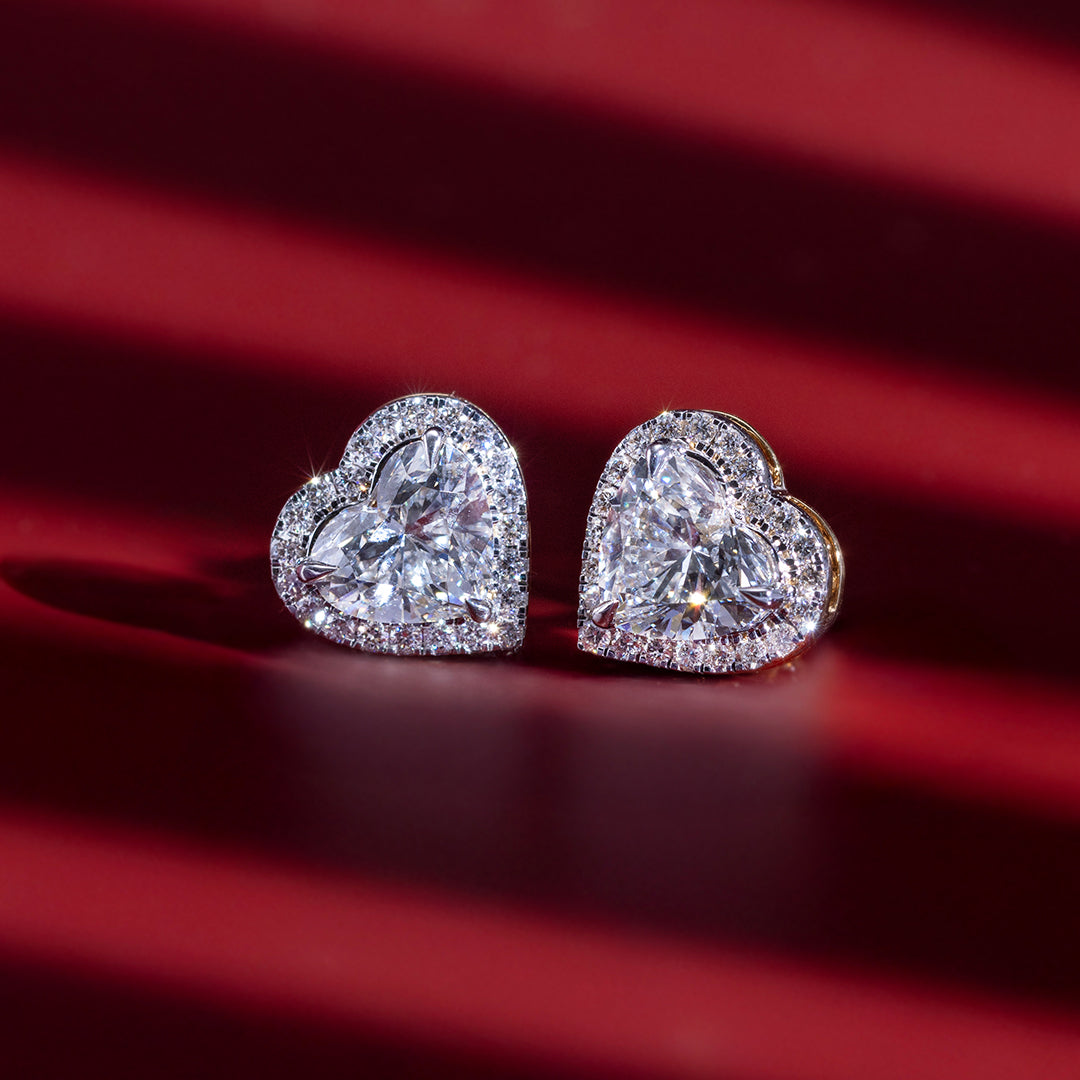

Lab-Grown Diamonds vs Natural Diamonds: Which Is Right for You?
Choosing a diamond is a personal decision that brings together beauty, meaning, quality, and budget. Whether you are selecting an engagement ring, an anniversary gift, or a timeless addition to your jewellery collection, one of the most important choices is between lab-grown diamonds and natural diamonds. Both offer the brilliance associated with fine diamond jewellery, but they differ in origin, market pricing, and the significance buyers may attach to them.
At Araiya by Aza, lab-grown diamonds represent a contemporary approach to fine jewellery, combining IGI-certified diamonds, refined craftsmanship, and sophisticated designs. From elegant solitaire rings to distinctive contemporary silhouettes, the collection offers jewellery for people who appreciate modern luxury. Understanding the differences between lab-grown and natural diamonds can help you choose a piece that reflects your personal style and priorities.
What Are Lab-Grown Diamonds?
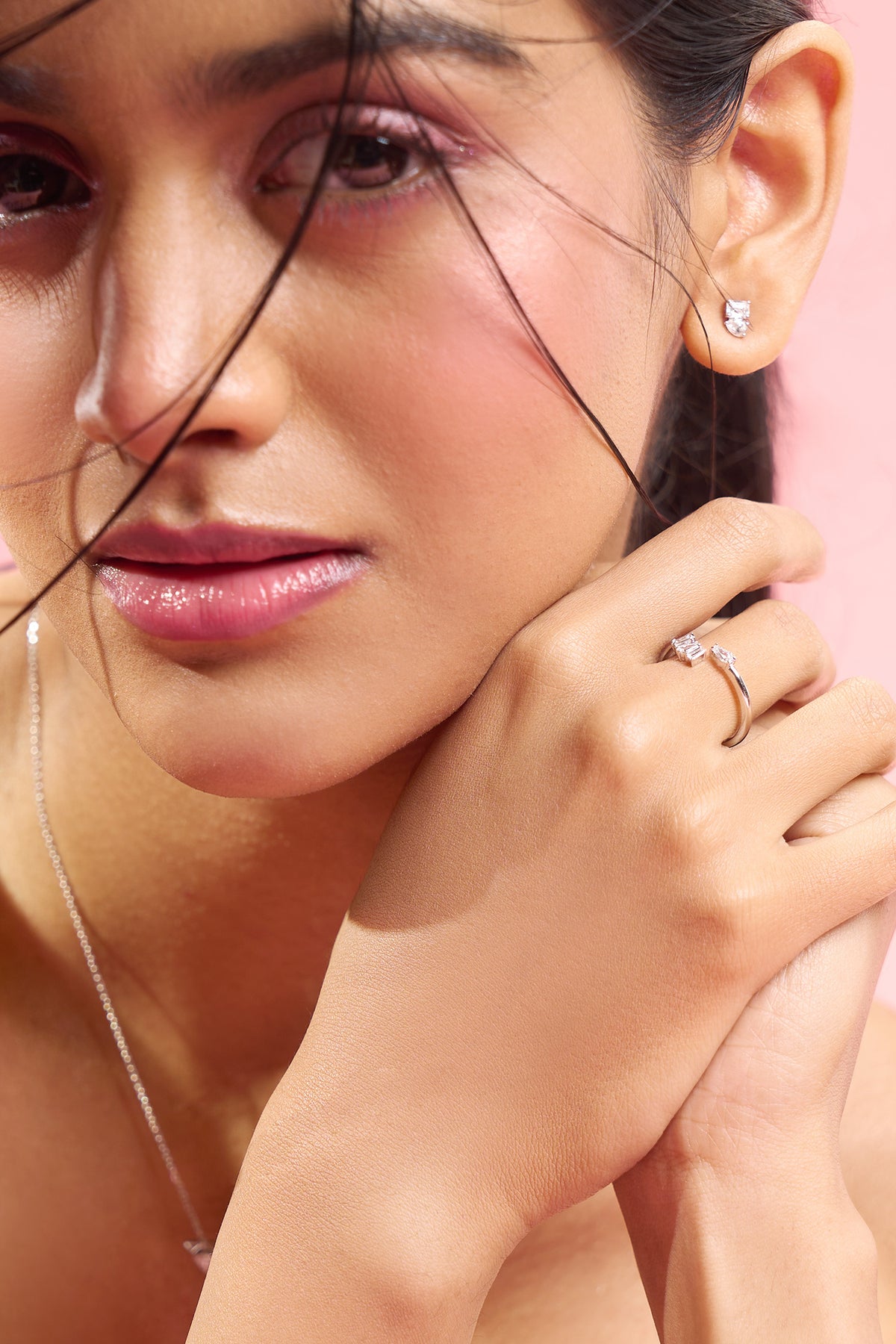
Lab-grown diamonds are created using controlled technological processes rather than forming naturally beneath the Earth's surface over geological periods. The two principal production methods are High Pressure High Temperature (HPHT) and Chemical Vapour Deposition (CVD).
According to the Gemological Institute of America (GIA), lab-grown diamonds have essentially the same chemical composition, crystal structure, and optical and physical properties as natural diamonds. They are real diamonds, not imitations such as cubic zirconia or moissanite. Their origin, however, differs from that of naturally formed diamonds. Learn more from GIA.
For buyers interested in contemporary fine jewellery, lab-grown diamonds offer an alternative that can be incorporated into engagement rings, everyday bands, earrings, necklaces, and statement pieces.
What Are Natural Diamonds?
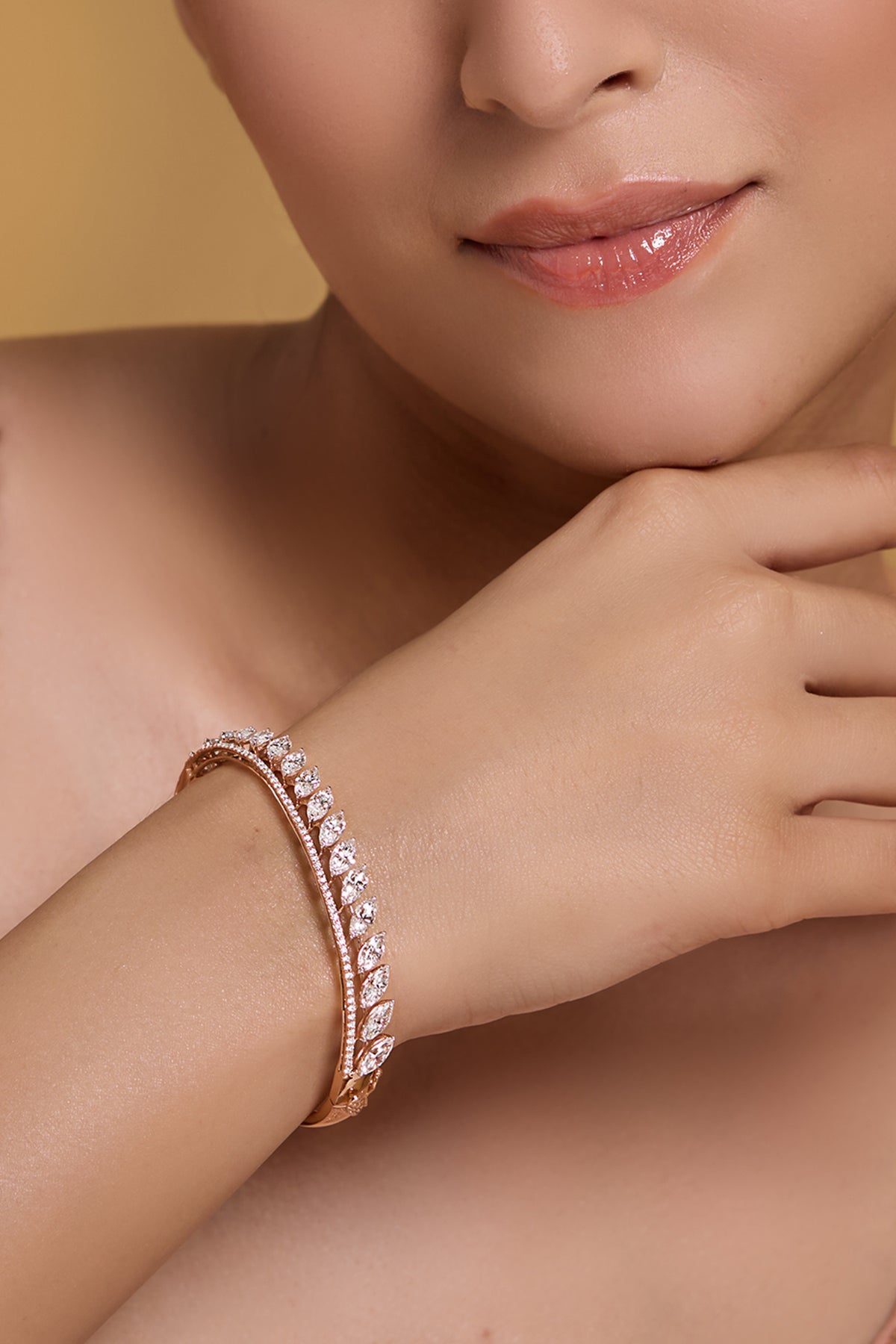
Natural diamonds form deep within the Earth under high pressure and temperature over extremely long periods. Geological processes eventually bring some diamond-bearing rock formations closer to the surface, where diamonds can be recovered through mining.
Their natural origin is an important part of their appeal for many buyers. Some associate natural diamonds with geological rarity, heritage, tradition, and the history of fine jewellery.
For those who value these characteristics, a natural diamond can carry particular personal or emotional significance. Choosing between a natural and a lab-grown diamond is therefore not only about appearance; it can also reflect what diamond origin means to the individual.
Lab-Grown vs Natural Diamonds: Key Differences
The main distinction between the two is how they are formed. However, other considerations can influence which option is right for you.
Origin: Natural diamonds form through geological processes, while lab-grown diamonds are produced using specialised technology.
Appearance and material: Both are diamond materials with essentially the same fundamental chemical, optical, and physical properties. Differences in appearance depend on the individual stone's cut, colour, clarity, and other characteristics.
Price: Comparable lab-grown diamonds are generally less expensive than natural diamonds, although actual prices depend on factors such as carat weight, quality, certification, and market conditions. IGI explains the comparison.
Personal significance: Some buyers prioritise contemporary design and affordability, while others value the geological origin and traditional associations of natural diamonds.
Certification: Both types can be assessed by gemological laboratories. The documentation should clearly identify whether the diamond is natural or laboratory-grown.
1. Delicate Heart Solitaire Ring – A Romantic Lab-Grown Diamond Choice
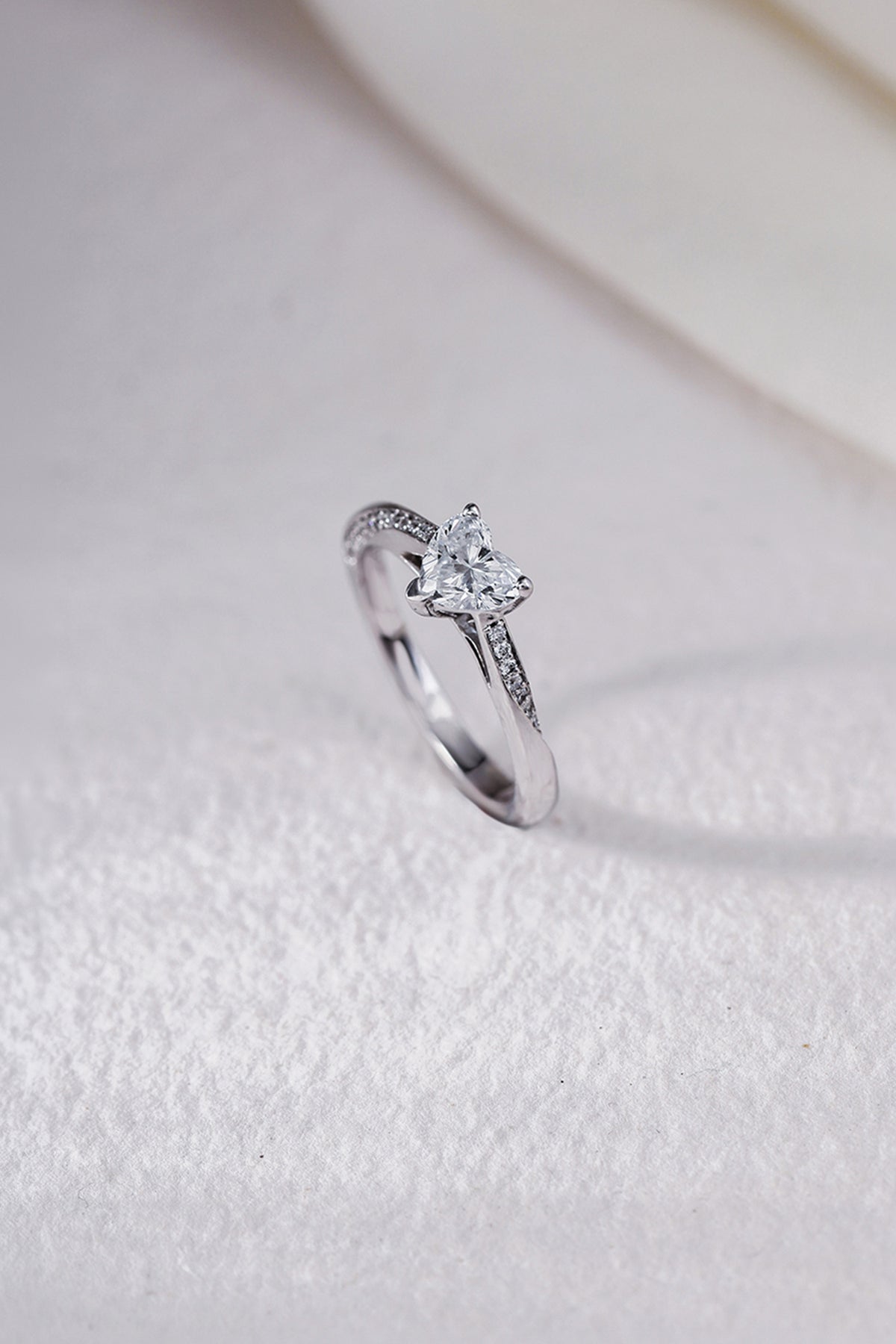
The Delicate Heart Solitaire Ring offers a refined expression of romance through its heart-inspired design. It is a thoughtful option for those who want their engagement jewellery to communicate personal meaning alongside contemporary elegance.
When choosing between lab-grown and natural diamonds for a romantic gift, consider the design, the diamond's documented characteristics, and what matters most to the recipient. A heart-inspired ring can make the purchase feel personal, regardless of which diamond origin you prefer.
2. Oval Solitaire Diamond Ring – Timeless Elegance with a Modern Silhouette
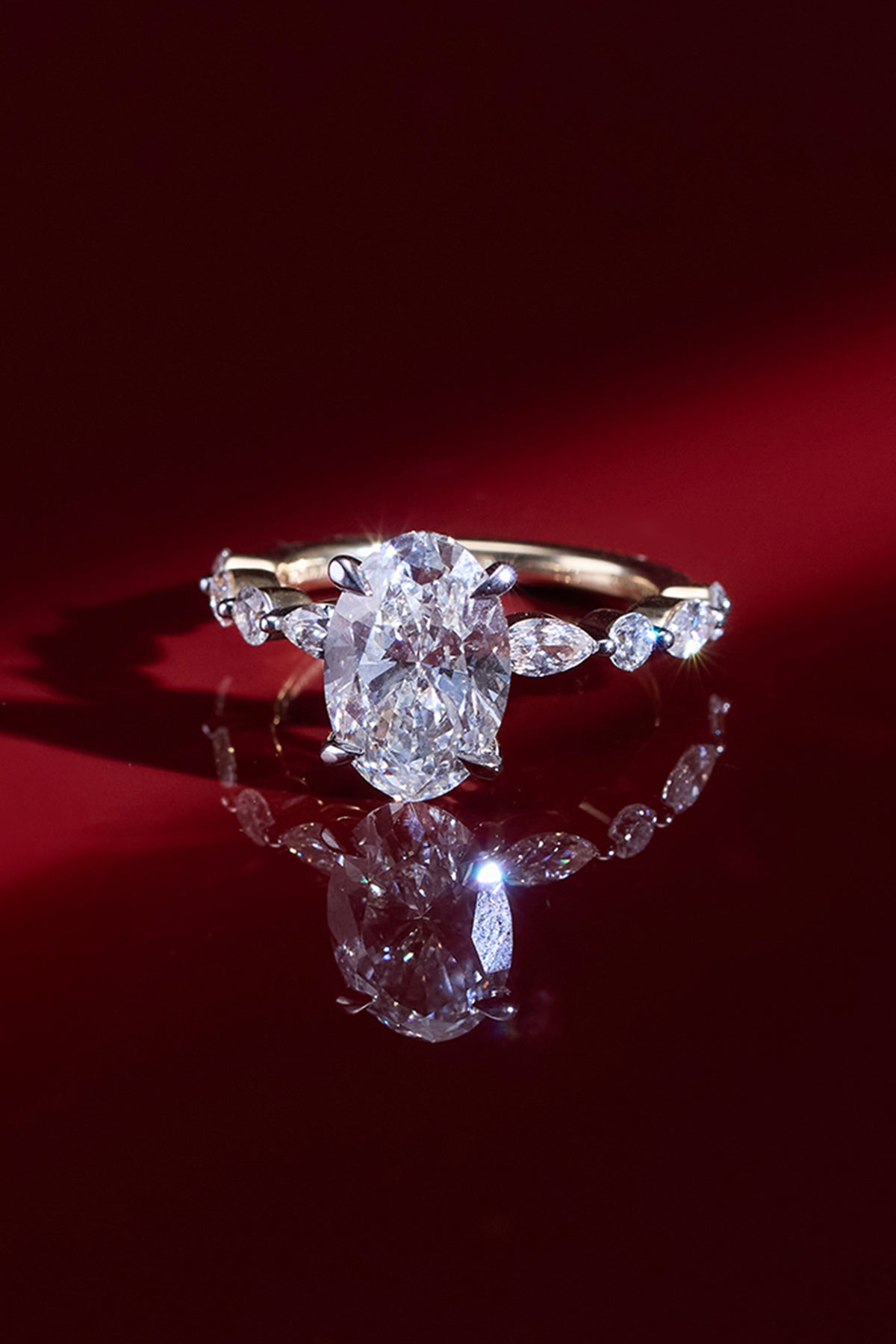
The Oval Solitaire Diamond Ring is an elegant example of a classic ring silhouette that lends itself naturally to different jewellery preferences.
Oval diamonds offer elongated proportions and a graceful appearance. When comparing lab-grown and natural versions, focus on the individual diamond's quality, proportions, and certification rather than assuming that origin alone determines its beauty.
This style is suitable for buyers looking for a sophisticated engagement ring that can transition naturally between everyday wear and special occasions.
3. Minimal Emerald Solitaire Ring – Contemporary Design for Understated Luxury
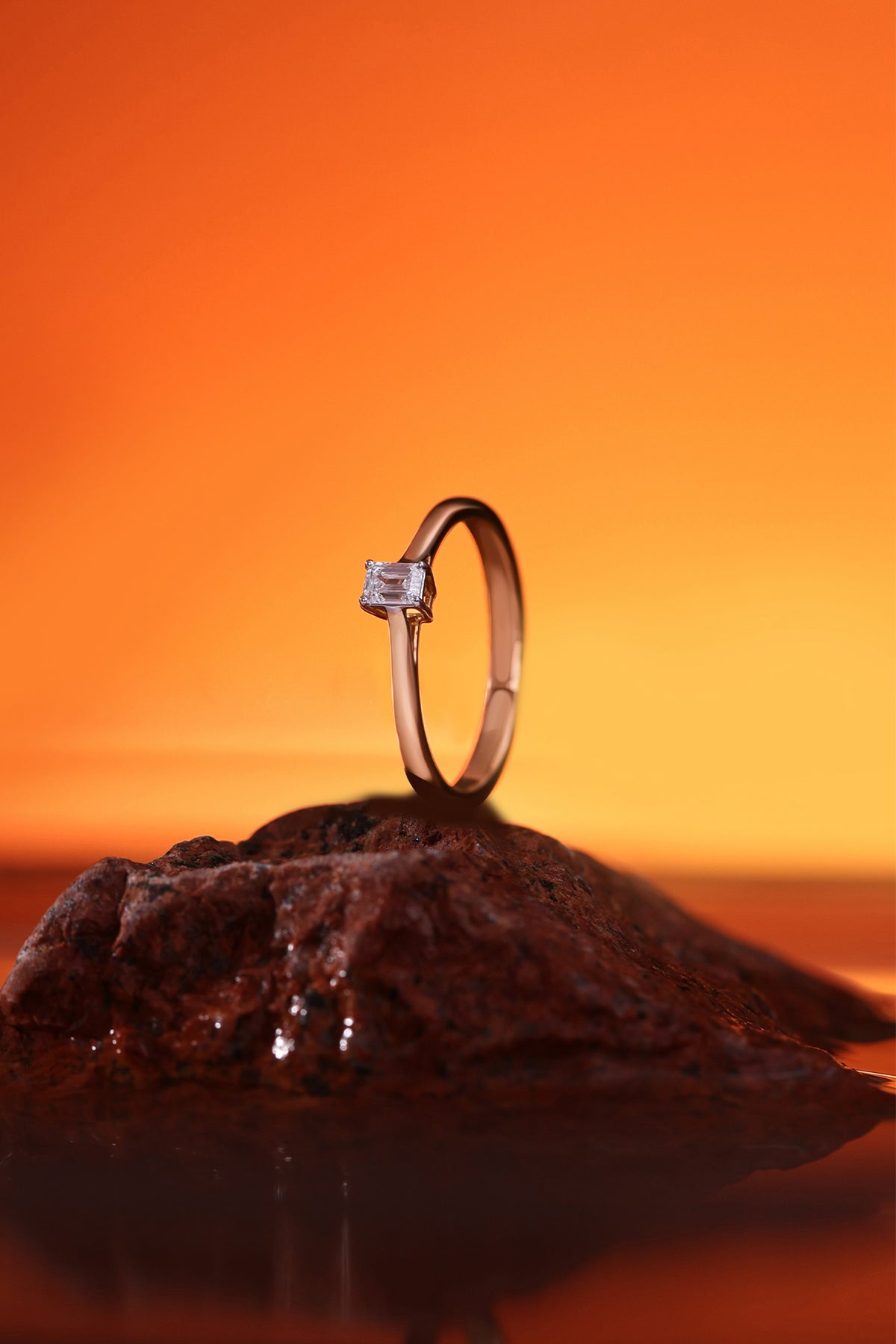
The Minimal Emerald Solitaire Ring is suited to those who appreciate clean lines, structured proportions, and minimalist jewellery.
Emerald-inspired silhouettes create a distinctive geometric appearance. This design direction allows you to prioritise personal style when comparing diamond options, especially if you prefer contemporary jewellery over more elaborate settings.
For a lab-grown diamond buyer, it offers an example of how modern diamond technology and refined design can come together in a sophisticated ring.
4. Princess Solitaire Double Band Ring – A Contemporary Engagement Statement

The Princess Solitaire Double Band Ring combines a princess-inspired solitaire aesthetic with a more distinctive band structure.
This style is worth considering if you want an engagement ring with contemporary character. When comparing a lab-grown and natural diamond option, assess the quality of the centre stone, the security of its setting, and how the overall design suits the intended wearer.
The best choice is one that feels comfortable, looks elegant, and reflects the recipient's individual taste.
Advantages of Lab-Grown Diamonds
One of the main advantages of lab-grown diamonds is their comparatively lower cost against comparable natural diamonds. Depending on the specific stone and market, this can provide buyers with greater flexibility when setting a jewellery budget.
They are also available across a broad range of shapes and styles. Buyers can explore round, oval, emerald, pear, marquise, cushion, and other designs for engagement rings or everyday jewellery.
Certification offers another important consideration. Araiya by Aza offers jewellery featuring IGI-certified lab-grown diamonds set in BIS Hallmarked Gold. Reviewing the relevant documentation helps buyers understand the diamond and metal specifications of their chosen piece.
However, lab-grown diamonds should not automatically be considered environmentally impact-free. Their production requires energy and resources, and the environmental impact depends on factors including the production method and energy source. Buyers who prioritise sustainability should look for specific, substantiated information rather than relying on a general label.
Advantages of Natural Diamonds
Natural diamonds appeal to buyers who appreciate their geological origin and long-standing place in jewellery traditions. Their formation over geological periods gives them a story that some people find especially meaningful.
Natural diamonds may also be preferred by buyers who place a premium on natural rarity or have a personal preference for mined gemstones.
However, natural origin does not automatically mean every stone is better quality, more beautiful, or a better financial purchase. The characteristics of the individual diamond, its certification, price, and the buyer's priorities all matter.
Which Diamond Offers Better Value?
Value depends on what you expect from your purchase. If your priority is acquiring a beautiful diamond for a comparatively lower price, a lab-grown diamond may be the more suitable choice. If natural origin and the traditional significance associated with mined diamonds matter most to you, a natural diamond may better meet your expectations.
Do not treat either type of diamond as a guaranteed investment. Resale outcomes can vary depending on the diamond's origin, characteristics, jewellery setting, market demand, and the terms offered by a buyer. Purchase jewellery primarily for its design, meaning, and personal value rather than assuming it will appreciate.
How to Choose the Right Diamond for You
Before making a purchase, consider four important factors: your budget, your preferred design, the diamond's documented quality, and what its origin means to you.
Review the Four Cs—cut, colour, clarity, and carat weight—when comparing diamond specifications. Cut quality affects how a diamond handles light, while colour, clarity, and carat weight help describe other important characteristics.
Check the grading or certification report and ensure it clearly identifies the diamond as lab-grown or natural. For jewellery, also review the metal purity, hallmark, setting quality, and product specifications.
Most importantly, choose a diamond that aligns with your personal priorities rather than making the decision solely on trends or assumptions about resale value.
Why Choose Araiya by Aza for Lab-Grown Diamond Jewellery?
Araiya by Aza brings together contemporary design, refined craftsmanship, and a modern approach to luxury. Its lab-grown diamond jewellery collection features distinctive silhouettes, from elegant solitaires to romantic and contemporary ring designs.
With IGI-certified lab-grown diamonds set in BIS Hallmarked Gold, Araiya by Aza offers options for buyers who appreciate contemporary fine jewellery. Whether you are selecting an engagement ring or a meaningful gift, the design should reflect your style and remain appealing beyond the occasion for which it was purchased.
Lab-Grown or Natural: Make the Choice That Feels Right
There is no universal answer to which type of diamond is better. Lab-grown diamonds offer a contemporary alternative that is generally more affordable than comparable natural diamonds, while natural diamonds appeal to those who value geological origin and traditional significance.
Explore designs such as the Oval Solitaire Diamond Ring, the Delicate Heart Solitaire Ring, and the Minimal Emerald Solitaire Ring to find a style that reflects your preferences.
The right diamond is ultimately the one you choose with confidence—supported by clear certification, thoughtful consideration of your budget, and a design that feels personal to you.
Frequently Asked Questions
1. Are lab-grown diamonds real diamonds?
Yes. Lab-grown diamonds are real diamonds created through controlled technological processes. They have essentially the same fundamental chemical composition, crystal structure, and optical and physical properties as natural diamonds.
2. Are lab-grown diamonds cheaper than natural diamonds?
Comparable lab-grown diamonds are generally less expensive than natural diamonds. The exact difference depends on the individual stones, their characteristics, certification, and current market conditions.
3. Can you tell the difference between lab-grown and natural diamonds by looking at them?
The distinction is generally not reliably determined by visual inspection alone. Gemological laboratories use specialised equipment and testing methods to identify diamond origin.
4. Which is better for an engagement ring: lab-grown or natural?
The right choice depends on your budget, personal values, design preferences, and whether you prioritise laboratory-grown origin or natural geological formation. Both can be used in beautiful engagement ring designs.
5. Are Araiya by Aza lab-grown diamonds IGI certified?
Araiya by Aza offers jewellery featuring IGI-certified lab-grown diamonds set in BIS Hallmarked Gold. Check the individual product listing and accompanying documentation for the specifications of the ring you are considering.


